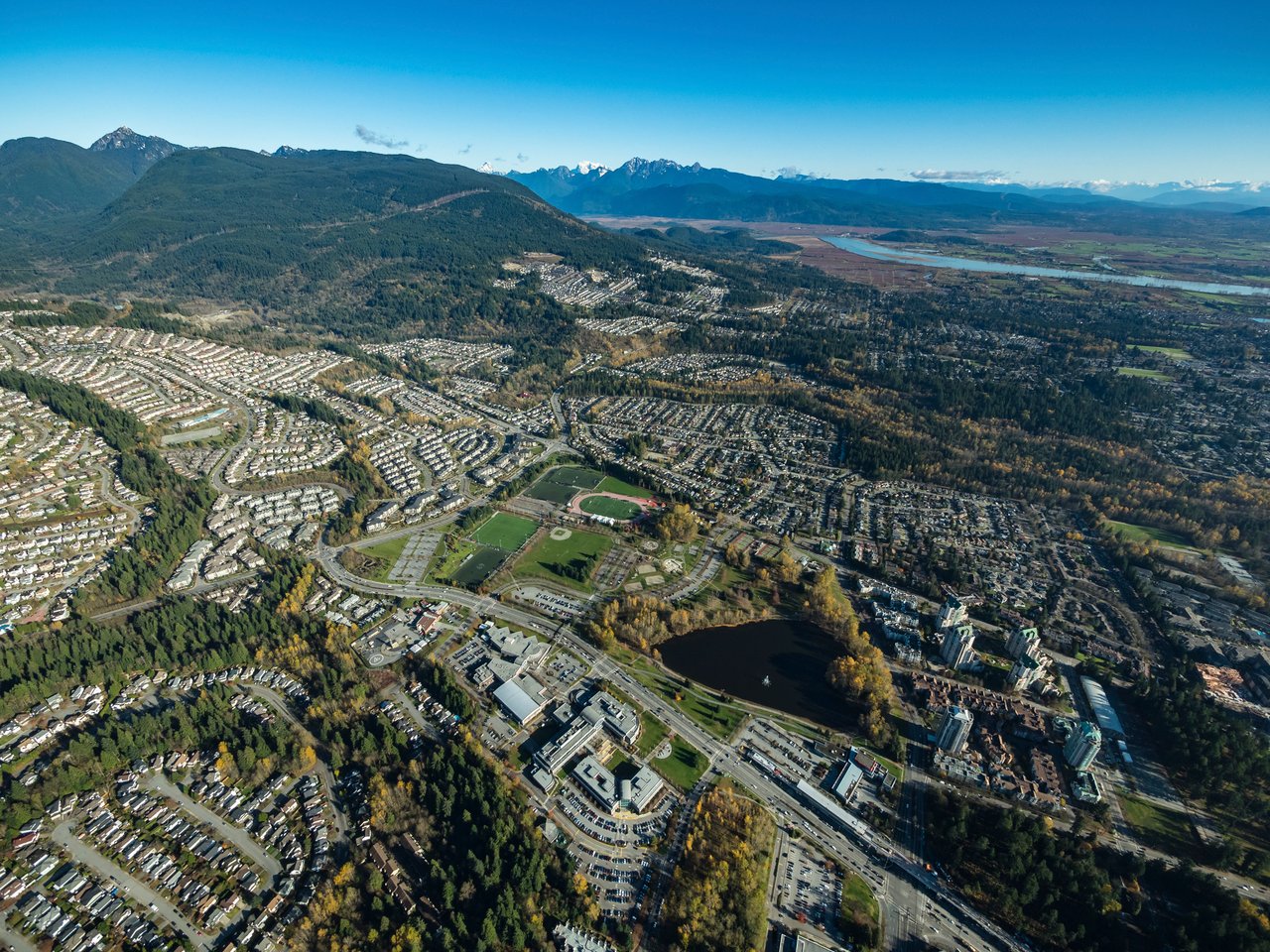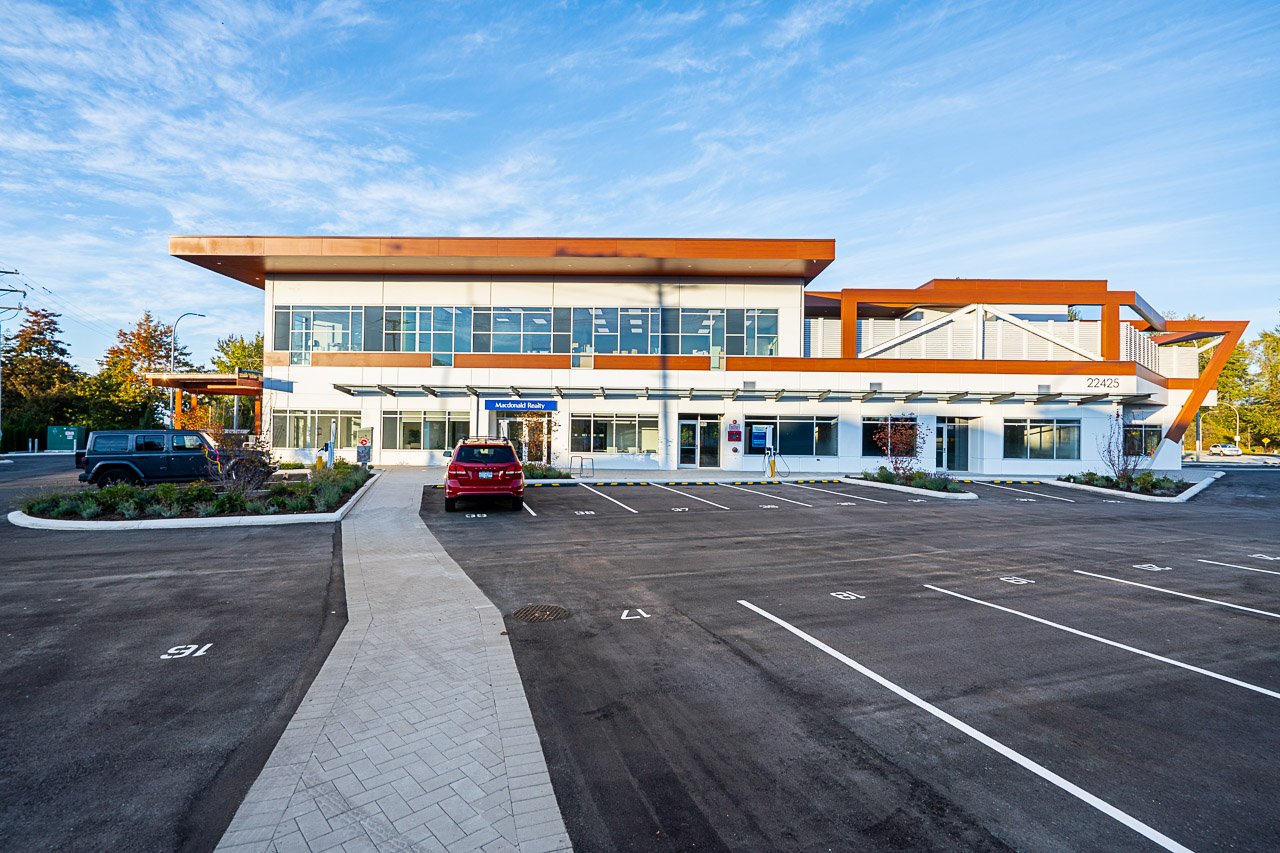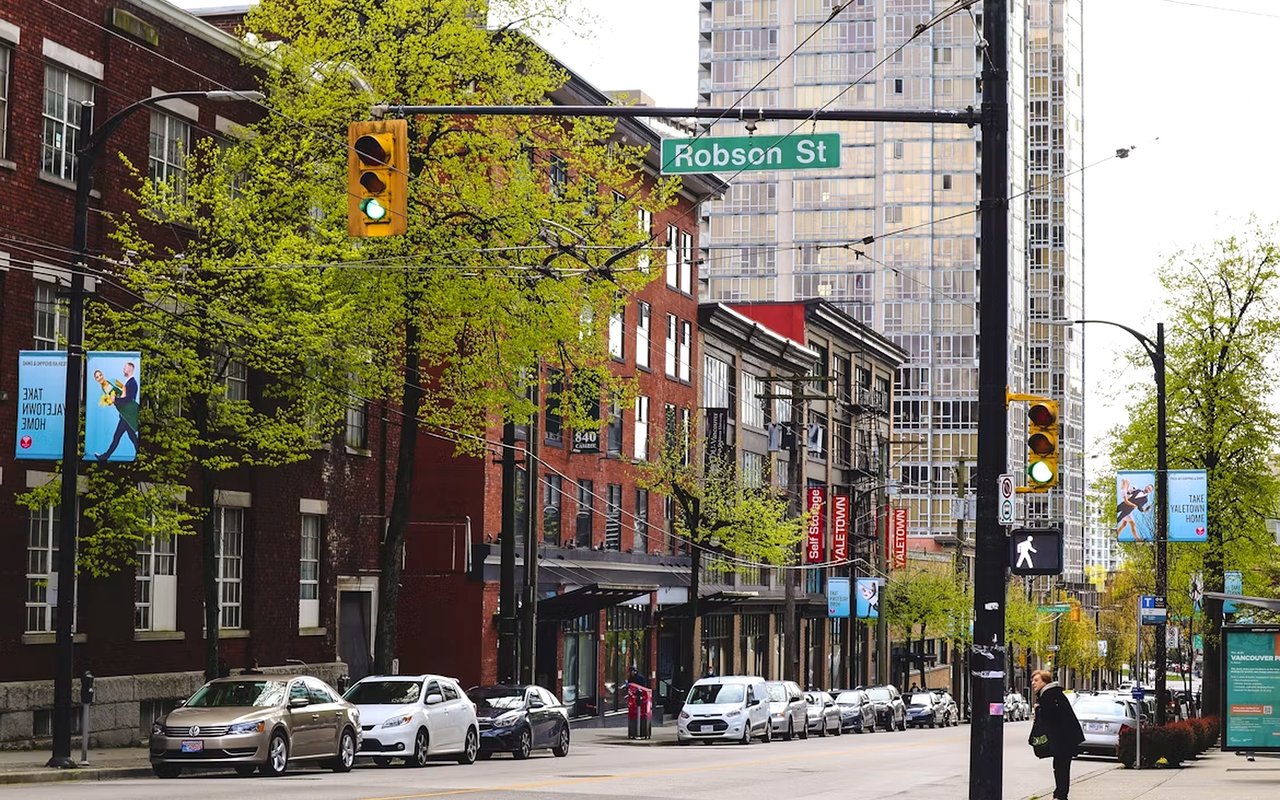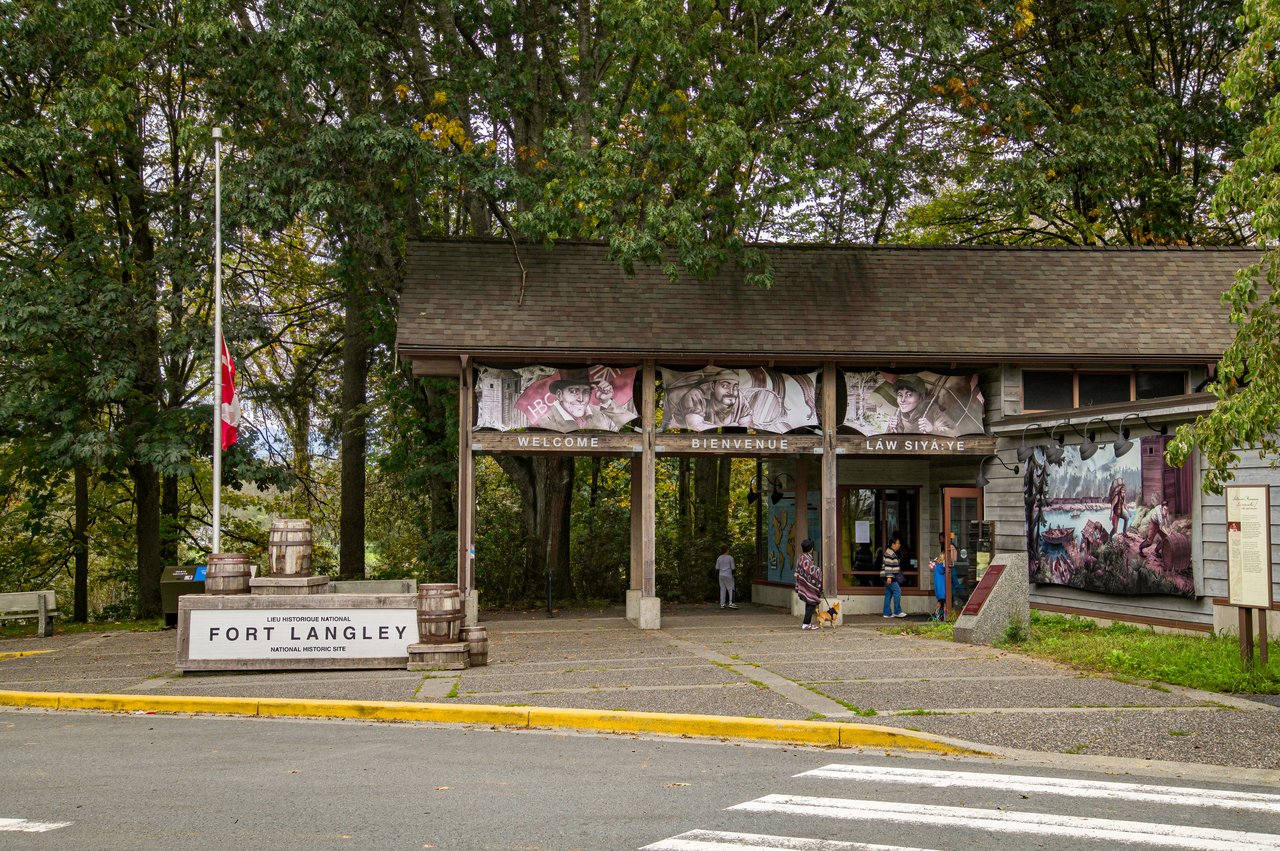
North Langley isn’t just one neighbourhood—it’s four very different ways of living.
Walnut Grove, Fort Langley, Glen Valley and Willoughby each have their own character, housing landscape and appeal. But what really sets them apart? We asked experienced Langley real estate agents Andy Schildhorn PREC and Kylene Shannon PREC of Schildhorn Realty Group to share their local perspective.
"We do not just sell homes in North Langley. We live here. We use these roads, shops, parks and trails, and we understand how differently each community works in everyday life. Andy has lived in Langley for more than 36 years and has been licensed since 1992. Kylene has more than 18 years of real estate experience and is also a North Langley local.
Our advice to buyers is simple: choose the community and the street before you fall in love with the house. A home can be renovated. Its traffic, setting, school route, parking and future surroundings cannot be changed nearly as easily. This guide explains the trade-offs we would want a buyer to understand before writing an offer."
- A message from Andy and Kylene

QUICK FACTS
Municipality | Township of Langley |
|---|---|
Region | Metro Vancouver, at the eastern gateway to the Fraser Valley |
Population (approx.) | North Langley is not a separate census area, so there is no single authoritative population figure for these four communities. The Township of Langley had 132,603 residents in the 2021 Census, up 13.1% from 2016, and the Township reported more than 150,000 residents in 2025. Willoughby has absorbed much of the recent growth, while Glen Valley remains predominantly rural. |
Walkability | There is no meaningful single North Langley score. Fort Langley village and the mixed-use centres in Willoughby are the most walkable for coffee, restaurants and selected daily needs. Walnut Grove offers useful neighbourhood walkability around schools, parks and its commercial corridor. Glen Valley is rural and car-dependent. |
Transit Score | There is no meaningful single North Langley score. Carvolth Exchange is the main regional transit hub and gives parts of Willoughby and Walnut Grove the strongest access. Fort Langley has limited local bus service. Glen Valley is not practical for most transit-dependent households. |
Primary housing types | Detached homes, townhomes and condos, with newer mixed-use and higher-density housing concentrated in Willoughby. Walnut Grove has established detached neighbourhoods plus townhomes and condos. Fort Langley includes character homes, select heritage properties, newer custom homes, townhomes and some condos. Glen Valley is dominated by acreages, farms, equestrian properties and rural residences. |
Average age of homes | Highly mixed, so a single average would be misleading. Walnut Grove is largely 1980s through early 2000s. Fort Langley ranges from historic and mid-century homes to new custom construction. Willoughby is predominantly newer housing built during the last 20 to 25 years. Glen Valley includes older farmhouses, mid-century rural homes and newer estate construction. |
Typical price range | Extremely broad. Condos provide the lowest entry point, townhomes occupy the middle of the market, and detached homes are commonly above $1 million. Fort Langley homes and Glen Valley acreages can range from conventional detached pricing to several million dollars. Because conditions change quickly, Macdonald should insert current, dated price ranges by property type immediately before publication rather than present one North Langley-wide number. |
Best for | Families, move-up buyers, downsizers wanting a community feel, buyers who value parks and trails, and people who want suburban space while remaining connected to Metro Vancouver. |
Commute to Downtown Vancouver | Roughly 45–75+ minutes by car depending on traffic and exact starting point. Transit commuters often connect through Carvolth Exchange. |
Nearby SkyTrain | No SkyTrain station is currently in North Langley. Buyers should distinguish between existing service and future rapid-transit planning elsewhere in Langley/Surrey. |
School District | School District 35 (Langley) |
Primary shopping area | Walnut Grove’s 88 Avenue and 200 Street commercial areas, Willoughby Town Centre, Latimer Village, Carvolth, the broader 200 Street corridor and Fort Langley village. Glen Valley residents generally drive to Fort Langley, Walnut Grove, Aldergrove or central Langley for larger shopping trips. |
"If someone asked whether they should move to this neighbourhood, what would you tell them?"
Before looking at listings, decide which version of North Langley fits the way you actually live. That choice will affect your commute, walkability, lot size, home age, access to schools and recreation, and the kind of community you experience every day.
This is the distinction buyers from outside the area most often miss. Fort Langley, Walnut Grove, Glen Valley and Willoughby may be minutes apart, but they are not interchangeable. Fort Langley offers village character and walkability. Walnut Grove offers established family neighbourhoods and mature streets. Glen Valley offers privacy, land and rural living. Willoughby offers the broadest selection of newer homes, townhomes and condos.
For buyers, North Langley offers something increasingly difficult to find closer to Vancouver: several housing choices, a strong sense of place, parks and recreation, and more space. The practical trade-off is that most households still rely on a vehicle, traffic varies considerably by time and location, and growth is changing some areas quickly.
We never advise a buyer to treat Langley as one market. A renovated Walnut Grove detached home, a newer Willoughby townhome, a Fort Langley character property and a Glen Valley acreage attract different buyers and require different due diligence. Comparable sales must match the property and its micro-location, not simply the postal code.
The buyers who are happiest here usually value community, parks and trails, local sports, practical access to Highway 1 and more space than they could purchase farther west. Buyers seeking nightlife, rapid transit at the door or a fully urban lifestyle should be honest about that before choosing North Langley.
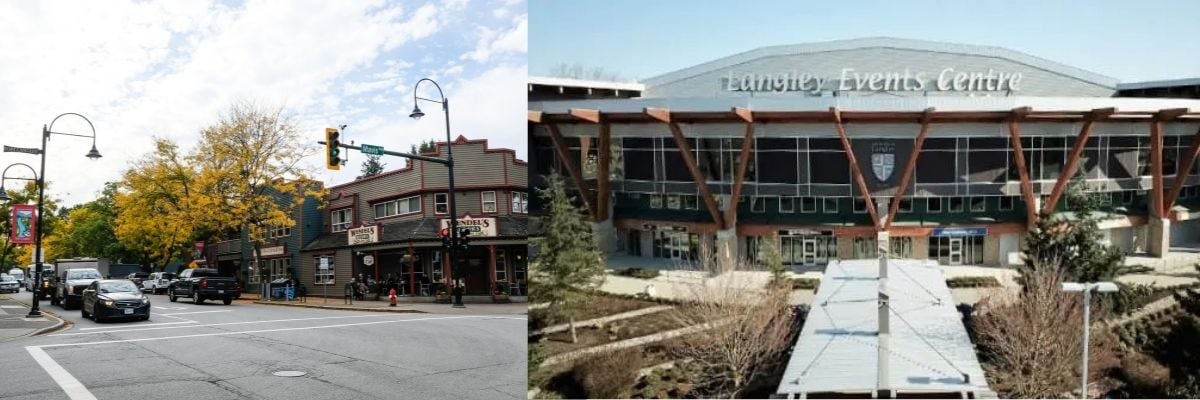
Above: Street shops and a cafe at the corner of an intersection in Fort Langley (left) and the Langley Events Centre in Langley Township, BC (right).
Why do buyers choose North Langley?
Who moves here?
Families are a major group, but North Langley also attracts move-up buyers, downsizers, professionals working throughout the Fraser Valley and Metro Vancouver, and people moving east from Vancouver, Burnaby, the Tri-Cities and Surrey. Fort Langley attracts buyers who specifically want village life. Glen Valley attracts buyers who value land, privacy, workshops, barns or equestrian use and accept the maintenance that comes with rural property.
Why?
Space, schools, parks, recreation, access to Highway 1, housing choice and a strong sense of community are the main reasons. The four communities also let buyers choose between village, established suburb, rural acreage and newer urban-suburban living without leaving North Langley.
What attracts buyers?
In Walnut Grove: mature neighbourhoods, larger lots than many newer communities, established schools and recreation, and convenience.
In Fort Langley: character, walkability, history, independent businesses, trails, riverfront setting and limited supply.
In Glen Valley: acreage, privacy, rural scenery, equestrian and hobby-farm potential, and proximity to the Fraser River and regional parks.
In Willoughby: newer homes, townhomes and condos, growing amenities, Langley Events Centre and more housing choice at different price points.
What keeps residents here?
People build routines around schools, sports, local businesses, parks and community events. We regularly see residents move from a Willoughby townhome to a Walnut Grove detached home, from a larger family home to Fort Langley, or from suburbia to Glen Valley when land and privacy become the priority.
Who should NOT live here?
North Langley is not ideal for everyone.
If you want a downtown lifestyle where you can walk out your door to nightlife, major employment centres and rapid transit, this may feel too suburban. A car is still the easiest way to live in most parts of North Langley.
Buyers who strongly dislike growth should be cautious about parts of Willoughby. It is one of the fastest-changing areas in the Township, so construction, increased density and changing traffic patterns are part of the reality.
Fort Langley can also surprise buyers. The village is charming, but that popularity brings weekend traffic and visitors. Homes close to the village can have more activity than buyers expect, while homes farther out may lose some of the walkability people associate with Fort Langley.
Walnut Grove is established and convenient, but buyers looking exclusively for brand-new architecture or high-density urban amenities may find it quieter and more traditional than they want.
Glen Valley is a poor fit for buyers who want transit, walkable shopping or low-maintenance ownership. Wells, septic systems, drainage, outbuildings, long driveways and rural property maintenance require more due diligence and more hands-on ownership than a conventional suburban home.
Housing statistics: Choosing The Right Home Type
Detached
- Typical age: Walnut Grove is heavily represented by homes from the 1980s through early 2000s. Fort Langley is much more varied, including older character homes, mid-century properties, 1990s and 2000s infill, and high-end new construction. Willoughby detached homes are generally newer. Glen Valley ranges from older farmhouses and modest rural homes to renovated acreages and newer estates.
- Style: Two-storey homes, basement-entry homes, split levels, ranchers, newer three-storey homes and custom builds are all common depending on neighbourhood.
- Renovated? Renovation quality matters a lot in older Walnut Grove and Fort Langley housing. Buyers often pay a meaningful premium for homes with updated kitchens, bathrooms, roofing, windows and major systems already completed.
- Heritage? Fort Langley has the strongest heritage identity and some designated or character properties. Buyers should verify any heritage status or restrictions rather than assuming an older-looking home is formally protected.
Townhomes
- Typical inventory: Strongest in Willoughby, Yorkson, Latimer and Walnut Grove, with additional smaller-scale options in and around Fort Langley.
- Popular developments: Buyers often compare complexes based less on the name and more on parking, strata fees, visitor parking, outdoor space, school proximity and construction era. End units and homes with usable yards tend to receive extra attention.
Condos
- Typical size: Newer condos in Willoughby tend to be more compact than many older units in established areas. One- and two-bedroom plans dominate.
- Concrete? Most North Langley condo inventory is wood-frame, although buyers should verify each building individually.
- Wood frame? Yes, very common.
Luxury Market
- Where? Fort Langley and Glen Valley are the primary luxury and acreage markets, with additional custom-home pockets in Walnut Grove and Willoughby.
- Price range: Frequently above $2 million for higher-end detached properties, with exceptional Fort Langley homes, Glen Valley acreages, working farms, estates and custom properties moving well beyond that. Acreage pricing is highly property-specific because land usability, servicing, outbuildings, access and agricultural restrictions can matter as much as the house.
Rentals
- Vacancy: Rental conditions fluctuate, but purpose-built rental supply has been expanding in newer growth areas. Detached-home and secondary-suite rentals remain important parts of the local rental market.
- Typical renters: Young professionals, families, people transitioning between ownership properties and households wanting to stay in a particular school/community area.
Redevelopment
- Multiplex? Provincial housing changes and the Township’s updated OCP are creating more small-scale multi-unit housing opportunities. Feasibility remains property-specific and depends on zoning, servicing, lot conditions and municipal rules.
- Land assembly? Most relevant along Willoughby growth and transit corridors. Fort Langley and Walnut Grove have more limited, plan-specific opportunities. Glen Valley acreage should never be assumed to have subdivision or development potential; agricultural designation, the Agricultural Land Reserve, servicing, floodplain and environmental constraints may apply.
Future zoning? This is particularly important in Willoughby and along major transit and growth corridors. In Glen Valley, the more important questions are often Agricultural Land Reserve status, floodplain, environmental constraints, road access, servicing and whether existing improvements were permitted. Buyers should check current plans and property records rather than rely on assumptions.
Thinking of moving to a neighbourhood in Langley?
Reach out to Andy and Kylene today!
Andy Schildhorn: 604.339.4039 | [email protected]
Kylene Shannon: 604.339.4039 | [email protected]

Market Insights: What Buyers Should Know
What has happened over the last five years?
North Langley saw the same major pandemic-era acceleration and subsequent interest-rate-driven adjustment as the broader Lower Mainland, but different housing types reacted differently. Family-oriented detached homes and well-located townhomes remained especially important because they serve buyers moving through life stages.
Where is demand strongest?
Demand is usually strongest for homes that combine good location, practical layout, parking, schools and condition. In Fort Langley, scarcity itself supports demand. In Walnut Grove, updated detached homes on quieter streets are consistently desirable. In Willoughby, well-designed townhomes and newer homes with functional parking and outdoor space stand out.
What types of homes sell fastest?
Move-in-ready homes priced close to current comparable sales. Buyers are much less forgiving of optimistic pricing when there is competing inventory.
What types sit?
Homes with awkward layouts, major unaddressed maintenance, poor parking, busy-road exposure, overly high strata fees or pricing based on a previous market rather than current conditions.
Where do bidding wars occur?
They are most likely when a home is genuinely scarce for its category: a renovated family home on a desirable Walnut Grove street, a special Fort Langley property, an unusually good Glen Valley acreage, or a well-priced Willoughby townhome with exceptional parking and outdoor space. Multiple offers are never automatic simply because inventory is low.
What mistakes do buyers make?
The most common mistake is focusing on the finishes while ignoring the street. Before an offer, we help buyers look at traffic at the times they will actually travel, school routes, parking, nearby development, sun exposure, noise and the likely resale audience. On rural properties, water supply, septic condition, drainage, access, outbuildings and land-use restrictions require additional investigation.
What surprises sellers?
Condition and presentation matter more than many long-term owners expect. Buyers notice deferred maintenance, dated finishes and poor first impressions quickly, especially when they can compare with newer homes nearby.
Lifestyle
What is a Saturday morning like?
In Fort Langley, it can be coffee, breakfast, a walk through the village, the Fort-to-Fort Trail, local shops and families heading to sports or the river. In Walnut Grove, Saturday often revolves around kids’ sports, community recreation, errands and meeting friends at local coffee shops. In Willoughby, the Langley Events Centre, youth sports, newer cafés and restaurants, and nearby shopping create a busier feel.
What is Sunday afternoon like?
A trail walk, Derby Reach, a bike ride, a brewery or patio, a family visit, a game at the LEC, or a drive through Glen Valley to farm stands and the river. One of North Langley’s strengths is that doing something does not automatically mean going into Vancouver.
Where do locals actually spend time?
Fort Langley village, Derby Reach, Walnut Grove Community Centre, Langley Events Centre, Willoughby Town Centre, Latimer Village, local coffee shops, breweries, sports fields, trails and seasonal farm markets. Glen Valley residents often spend more leisure time at home because the property itself is part of the lifestyle.
What makes it different?
North Langley offers four genuinely different lifestyles in a compact area: established suburb, historic village, rural acreage and newer urban-suburban living. That range is what separates it from communities built around one dominant housing form.
Schools
What do parents ask?
Catchment is usually the first question, followed by school capacity, before- and after-school care, French immersion and how close children can realistically walk or bike. Rural Glen Valley addresses can involve longer travel and school transportation questions that are not obvious from a map.
Which schools are most sought after?
This changes by family and program. Walnut Grove has long been popular because of its established school network. In Willoughby, school capacity and new-school planning are major considerations. Fort Langley families often value the local community-school environment, including the application-based LEAP environmental program at Fort Langley Elementary. Glen Valley families need to verify both catchment and the practical daily route.
French immersion?
School District 35 offers Early French Immersion at James Kennedy Elementary in Walnut Grove and Belmont Elementary, with Late French Immersion at selected schools. Walnut Grove Secondary provides secondary-level French Immersion continuation.
Private schools?
There are private and independent school options throughout Langley, but families should consider commute and admission requirements rather than assuming proximity means availability.
Waitlists?
Programs of Choice use an application process and can be competitive. Families should check current School District procedures directly.
Catchment quirks?
Yes. New development and school capacity can result in boundary changes or placement pressures. We always recommend verifying the exact address through School District 35 rather than relying on a listing description or old information.
Commute
Approximate drive times are useful only as a starting point. We encourage buyers to drive the route from the actual property at the time they expect to commute:
- Downtown Vancouver: approximately 45–75+ minutes
- Vancouver International Airport (YVR): approximately 50–75+ minutes
- UBC: approximately 65–90+ minutes
- Burnaby: approximately 35–55+ minutes
- North Shore: approximately 45–70+ minutes
- Richmond: approximately 45–70+ minutes
What transportation do locals actually use? Most households rely primarily on cars. The 216 Street interchange noticeably improved Highway 1 access and relieved some pressure on 200 Street, while the planned 232 Street interchange improvements should be watched by buyers farther east. Carvolth Exchange is the main regional transit connection. Our practical advice is to test both the morning and evening trip because a ten-minute difference in location can feel much larger in peak traffic.
Shopping in the area
Because businesses change, this section should be treated as a local starting point rather than a permanent ranking.
Best Grocery | Walnut Grove and Willoughby have the strongest everyday grocery selection. Fort Langley and Glen Valley residents usually combine small local purchases with larger shopping trips into Walnut Grove, Willoughby, Aldergrove or central Langley. |
|---|---|
Best Coffee | Wendel’s Bookstore & Café has been a cornerstone of Fort Langley since 1997. It remains our favourite for excellent coffee, homemade food and fresh baking, all served in a relaxed setting that feels like part of the community rather than simply another café. |
Best Bakery | Blacksmith Bakery in Fort Langley is our choice, especially for its croissants. |
Best Brunch | Beatniks Bistro is our favourite place for brunch. The setting has plenty of Fort Langley character, and the French toast is our standout recommendation. |
Best Sushi | Wabi Sabi Sushi on 96 Avenue in Fort Langley is our favourite. It offers a great selection, with creative dishes that go beyond the usual sushi menu. |
Best Pizza | For us, Jim’s Pizza in Walnut Grove is the only choice. Their Meat Lovers pizza is the one to order, piled with ham, pepperoni, bacon, sausage and mozzarella. |
Best Pub | For a traditional pub experience, we choose the Fort Pub & Grill in Fort Langley. For local craft beer and a contemporary brewery atmosphere, Smugglers’ Trail Caskworks in Walnut Grove is our recommendation. |
Best Family Restaurant | Wendel’s is our choice for dependable homemade food in a relaxed, welcoming setting. Its macaroni and cheese is the standout. Wendel’s is also part of our client tradition: we arrange a meal from there for our clients on moving day so they can enjoy dinner without worrying about cooking or unpacking the kitchen. |
Best Hidden Gem | Glen Valley Regional Park is one of North Langley’s overlooked treasures. Two-Bit Bar provides excellent access to the Fraser River, with open space and a peaceful setting that feels far removed from the busier destinations around Fort Langley. |
Best Farmers Market | Fort Langley Village Farmers’ Market is the clearest North Langley choice, with seasonal farm-gate shopping extending into Glen Valley and the surrounding countryside. Dates and locations should be verified each season. |
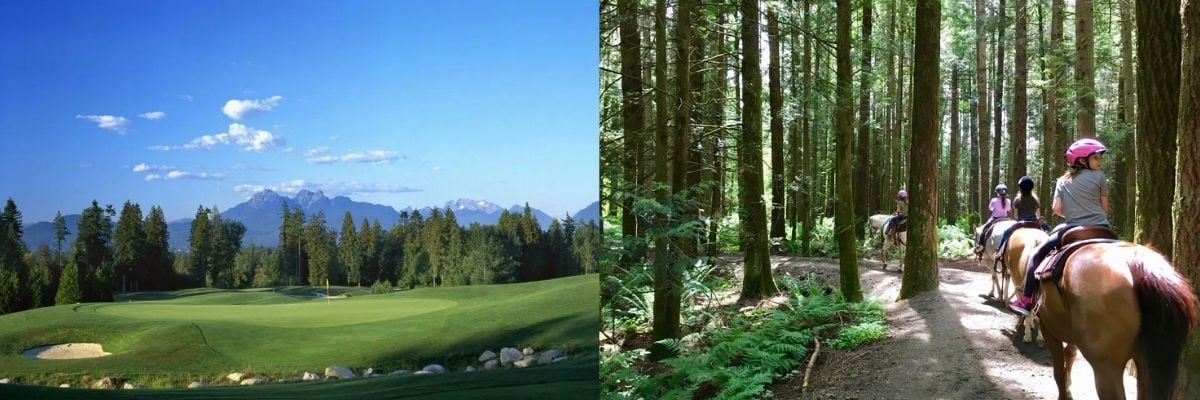
Above: The Redwoods Golf Course (left) and horseback riding at Glen Valley Stables, BC (right).
Parks, Trails and Outdoor Life
Most Popular | Derby Reach Regional Park and the Fort-to-Fort Trail are major North Langley favourites. |
|---|---|
Quietest | Smaller neighbourhood parks and trails outside peak village areas can feel surprisingly peaceful. |
Dog parks | Derby Reach has designated leash-optional areas, including the Edgewater Bar area. Rules differ by trail and park section, so visitors should follow current Metro Vancouver signs. |
Playgrounds | Willoughby and Walnut Grove have many family-oriented neighbourhood parks; newer communities often incorporate playgrounds directly into neighbourhood planning. |
Running trails | The Fort-to-Fort Trail and Derby Reach are the signature routes. Walnut Grove and Willoughby also have useful greenway networks for shorter everyday runs. |
Cycling | Recreational cycling is strong along trails and quieter routes. Glen Valley is popular for longer rural rides, although narrow roads, traffic speed and limited shoulders require judgment. |
Views | Fraser River and rural-edge views are a major part of the Fort Langley/Derby Reach experience. |
Picnic | Derby Reach is one of the easiest recommendations. |
Sports | Langley Events Centre, Walnut Grove recreation facilities, community fields, hockey, soccer, lacrosse and other youth sports are a huge part of local family life. |
Community Connection
- Community events: Fort Langley has the most visible calendar and often becomes a destination for the entire region. Walnut Grove and Willoughby have strong school, recreation and sports-driven events. Glen Valley community life is quieter and more dispersed, often connected to rural neighbours, farms, equestrian activities and local volunteer networks.
- Festivals: Fort Langley’s historic identity makes it a natural setting for festivals and seasonal celebrations.
- Farmers markets: Seasonal markets and farm events occur across Langley.
- Holiday traditions: Fort Langley is especially popular during seasonal events and holiday periods because the village is compact and visually distinctive.
- Neighbourhood associations: Community groups and resident associations vary by area and are worth checking when buyers want to understand a specific pocket.
- Volunteer groups: Langley has a strong volunteer culture around schools, youth sports, service clubs, community events and local charities.
Safety
How do residents generally feel?
North Langley is generally perceived as family-oriented and community-focused. Buyers still ask the same practical questions they ask anywhere: property crime, vehicle break-ins, lighting, traffic and how busy a street feels at night.
What questions do buyers ask?
Whether a home backs onto a trail or public space, whether there is late-night commercial activity nearby, how much visitor traffic a street gets, and how safe children’s routes to school feel.
Any traffic issues?
Yes. 200 Street, Highway 1 approaches, school zones and Fort Langley village can all become busy at predictable times. New development can also change traffic patterns.
School safety?
Parents should physically walk the route. A school may be close on a map but separated by a busy road or incomplete sidewalk network.
Late-night activity?
Generally limited compared with urban centres. Fort Langley can have restaurant/pub activity, while major commercial and event areas in Willoughby can be busier after events.
Future Planning
Future planning is one of the most important parts of a North Langley purchase. A quiet view, open parcel or low-density block today may not remain that way. We help buyers check the plans affecting the exact address, not just the general neighbourhood.
What projects are coming?
The Township adopted its major Official Community Plan update on December 1, 2025. Updated planning for Willoughby, the 200 Street transit corridor and Gordon proceeded through the bylaw process in 2026. Macdonald should verify the final adoption status immediately before publication because the planning framework has been changing quickly.
Transit?
Planning around the 200 Street corridor is especially important. TransLink is planning BRT between Langley Township and Maple Ridge along 200 Street, and Township planning uses the proposed corridor as a major driver of future transit-oriented development. The route is not yet operating, and additional funding is required before construction.
Rezoning and redevelopment?
Expect more housing variety and density in designated growth areas, especially along major corridors and in Willoughby. Interior established neighbourhoods will not all change at the same pace.
New schools and school sites?
School capacity remains a major issue in fast-growing parts of Langley. The updated Willoughby planning process includes future urban school sites. Buyers with children should verify both current catchment and future planning.
Infrastructure?
Road, transit, recreation, utility and school infrastructure will need to continue expanding with population growth.
Population growth?
The Township grew 13.1% between 2016 and 2021 according to Statistics Canada, substantially faster than the provincial growth rate over the same period. Growth pressure is one of the defining long-term forces in North Langley.
Investment Perspective (Resale and Long Term Value)
We see a home first as a place to live, but buyers should still think about resale from the day they purchase. This is a local real estate perspective, not investment advice.
What tends to support resale value?
The qualities we repeatedly see buyers compete for are a quiet and convenient street, a practical floor plan, useful parking, good natural light, outdoor space, strong maintenance and access to schools, trails or village amenities. Population growth, limited detached-land supply, Highway 1 access and expanding services support the broader market, but the individual property still matters most.
What are the long-term drivers?
Population growth, housing supply constraints, employment growth in the Fraser Valley, improved transit, major community infrastructure and the relative value compared with Vancouver and closer-in suburbs.
Who is buying?
Families remain fundamental, but North Langley also attracts downsizers, first-time buyers entering through Willoughby and Walnut Grove condos or townhomes, investors in selected projects, village-focused Fort Langley buyers and acreage buyers seeking land in Glen Valley.
Developers?
Most visible in Willoughby and corridor areas where planning supports higher density.
Families?
A core buyer group across all four communities.
Investors?
More common in newer Willoughby condo and townhome areas and properties with suite or redevelopment potential. Glen Valley purchases are usually driven more by land, lifestyle or agricultural use than by conventional rental yield. No buyer should assume that all North Langley properties share the same rental or redevelopment profile.
Downsizers?
Increasingly important, particularly buyers who want to stay close to family and community while moving from a detached home into a townhome, condo or smaller luxury property.
Local Secrets
- What do only locals know? The best part of North Langley is how quickly the setting changes. Within a short drive, you can move from Willoughby’s density to a mature Walnut Grove street, Fort Langley village, a riverside trail or open farmland in Glen Valley.
- Best coffee nobody knows? Wendel’s is more than our favourite coffee stop. It has been part of Fort Langley life for decades, combining a bookstore, café, bakery and gathering place in the centre of the village.
- Underrated street? Each community has an overlooked pocket. In Walnut Grove, 92A Avenue west of 204 Street is a quiet cul-de-sac area with larger lots. In Fort Langley, Royal Street is only one block long and offers a peaceful setting within a short walk of the village core. In Glen Valley, Rawlison Crescent between 232 and 240 Streets has rolling terrain, quiet acreages and beautiful rural surroundings. It is also one of our favourite areas for an early-morning bike ride. In Willoughby, Morrison Crescent offers older stately homes, larger properties and outstanding views toward Mount Baker, a side of Willoughby many buyers do not realize still exists.
- Best views? Fraser River/Derby Reach area and rural-edge outlooks around Fort Langley.
- Best playground? Yorkson Community Park in Willoughby is our top choice for children. It features Langley’s largest accessible playground, an interactive spray park and a pump track, giving children of different ages and abilities plenty to enjoy.
- Quiet shortcut? The opening of the 216 Street interchange made a noticeable difference for North Langley. It gives residents another way to reach Highway 1 quickly and has helped relieve pressure on 200 Street. We are also looking forward to the planned improvements to the 232 Street interchange, which should provide another important connection for Fort Langley and Glen Valley residents.
- Hidden trail? Houston Trail at Derby Reach is our favourite lesser-known walk in North Langley. It feels natural and peaceful, with forest, open pathways and enough elevation to provide a little exercise without becoming a difficult hike.
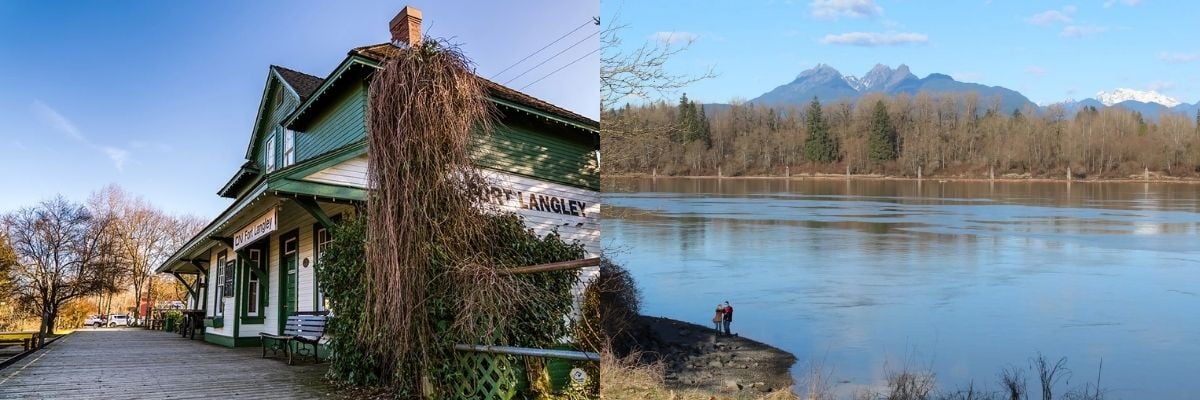
Above: The old railway station in Fort Langley (left) and a view of Derby Reach Regional Park in Willoughby, BC (right).
Our Advice for Buyers
What is the biggest misconception buyers have?
Many buyers assume North Langley is one large suburb dominated by newer Willoughby. Because we live here, we know the decision is much more personal. Walnut Grove feels established and convenient. Fort Langley feels connected to a village. Glen Valley is rural and property-specific. Willoughby is newer, denser and changing quickly. The right answer depends on how the buyer wants to live, not which name is most familiar.
Most underrated street?
Quiet interior streets in established Walnut Grove can be overlooked by buyers focused on newer construction. They often offer mature landscaping, practical family layouts and lots that are difficult to reproduce. Glen Valley can also be underrated by buyers who want acreage but automatically begin their search in Salmon River or South Langley.
Most overrated area?
We would not label one entire neighbourhood overrated. The bigger risk is overpaying for a postal code or neighbourhood name while ignoring the specific property. A busy-road Fort Langley address is not automatically better than an exceptional Walnut Grove street; a new Willoughby home is not automatically better than a well-renovated older home.
Where would you buy with $800,000?
We would focus on the best-located condo or townhome we could find, prioritizing parking, layout, strata health and resale appeal over simply buying the newest unit.
Where would you buy with $1.5 million?
We would usually begin with an established detached home in Walnut Grove if lot size and a mature neighbourhood mattered most. We would compare it with a newer Willoughby home, or a smaller or older Fort Langley property if village location mattered more than house size. Glen Valley choices at this budget are limited and often involve compromises in condition, land usability or location.
Where would you buy with $2.5 million?
We would start looking for something that cannot be reproduced easily: a strong Fort Langley location, a high-quality custom home, or a well-situated Glen Valley acreage with usable land and sound servicing. At this budget, location, land quality and scarcity matter more than square footage alone.
Unlimited budget?
We would buy something irreplaceable: exceptional Glen Valley land, a truly special Fort Langley location, privacy, views or a custom home that could not easily be duplicated.
What is the most common buyer mistake?
Buying the house and not the location. Buyers can renovate a kitchen, but they cannot move a busy road, enlarge visitor parking, change the school route or control future development next door. We want buyers to understand those permanent factors before they become emotionally committed.
Most common seller mistake?
Pricing from emotion or from an old peak-market sale instead of today’s competition. Buyers compare everything in real time.
What has changed most in the last decade?
Willoughby’s scale and density, the growth of the Langley Events Centre area, the amount of townhome/condo inventory and the overall shift of Langley toward a more urban regional centre.
What will change most over the next decade?
Transit-oriented growth, more diverse housing forms, continued density along major corridors and increasing pressure to balance growth with schools, roads, parks and community character.
Get in touch with Andy and Kylene for advice on buying or selling in Langley today!
Andy Schildhorn: 604.339.4039 | [email protected]
Kylene Shannon: 604.339.4039 | [email protected]
References
- Municipal plans
- Burke Mountain Village (https://www.coquitlam.ca/422/Burke-Mountain-Village)
- Burke Mountain Community Centre (https://www.coquitlam.ca/880/Burke-Mountain-Community-Centre)
- Burke Mountain Athletic Park Joint School (https://www.coquitlam.ca/1233/Burke-Mountain-Athletic-Park-Joint-School)
- Burke Mountain (https://visitcoquitlam.ca/stay-plan/neighbourhoods/burke-mountain/)
- Statistics Canada
- 'Building Canada strong by investing in the Burke Mountain Community Centre' (https://www.canada.ca/en/housing-infrastructure-communities/news/2026/09/building-canada-strong-by-investing-in-the-burke-mountain-community-centre.html)
- 'Infrastructure Announcement in Coquitlam' (https://www.canada.ca/en/housing-infrastructure-communities/news/2026/09/infrastructure-announcement-in-coquitlam.html )
- School District (https://www.sd43.bc.ca)
- Parks Board (https://metrovancouver.org/services/regional-parks/park/minnekhada-regional-park)
- TransLink (https://www.translink.ca/plans-and-projects/strategies-plans-and-guidelines/area-transport-planning/northeast-sector)
- BC Assessment
- CMHC
- Local Business Improvement Associations